Ed. note: This represents the first in a lengthy, in-depth four-part series on the entrenched pay-to-play system in the U.S. from a legal perspective. This seeks to answer a wide range of questions, from how child labor laws factor in to how Jozy Altidore's club was compensated for his move abroad.
Michael Kaniela Wheeler has been a practicing corporate and sports/entertainment lawyer for over ten years based in New York City and currently serves as counsel for the law firm of Di Santo Bruno LLP. Mr. Wheeler also represents and advises players, coaches, teams and professional soccer leagues for the past six years as founder of MAE Agency LLC and is a certified FIFA Agent.
Christian Hambleton is in his third year at Seton Hall Law School. A 2010 Cum Laude graduate of Davidson College, Mr. Hambleton was an assistant soccer coach at St. Benedict’s Prep before attending law school.
Are U.S. Youth Clubs Leaving Money on the Table?
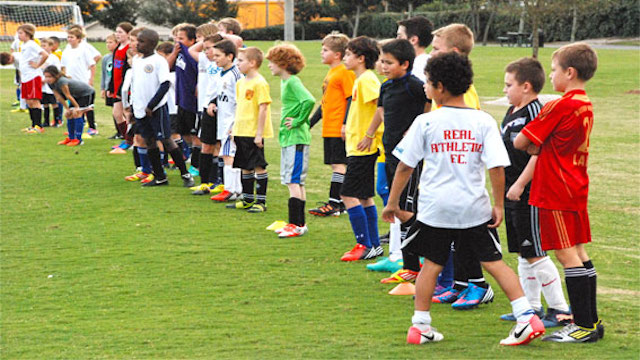
The current U.S. youth soccer landscape is filled with every letter of the alphabet, represented by a myriad of acronyms, aggregated in various leagues, all promising to take little Johnny or Jane to the next level.
Typically, youth soccer clubs preyed upon the aspirations of parents to showcase their child in exclusive soccer tournaments so that years of paying for youth soccer club fees annually in the thousands would lead to an athletic scholarship equaling over $100,000 at a four-year institution. Each kid brought into the youth soccer club is a revenue generator that youth soccer coaches depend upon for their livelihood. There are ways to leverage thousands of kids into sponsorship and affiliate relationships with community businesses, but the current youth soccer club model of pay-to-play in the U.S. necessitates kids paying youth soccer club fees.
However, in the rest of the world youth clubs in partnership with professional soccer clubs are compensated through a training/development system mandated by FIFA that rewards youth clubs that have invested significant resources in developing future pro players. This article aims to educate US youth soccer clubs on the FIFA training and solidarity payments, highlight the structural, cultural and legal obstacles in U.S. youth soccer, and list several high-profile examples of training compensation and solidarity payments that could have been due to U.S. youth clubs that trained Clint Dempsey, Giuseppe Rossi and Jozy Altidore.
Become Premier to
access player rankings, expert analysis, recruiting
updates, event coverage, and our exclusive College Soccer
Recruiting Guide.
Already have a Premier account?